Your Basket is Empty




It’s no secret: vitamins in skincare are everywhere. From brightening vitamin C serum formulas to niacinamide moisturisers and vitamin A skincare treatments, vitamins have become some of the most talked-about ingredients in modern routines.
But what do these vitamins actually do for your skin? And how do topical vitamins work once they’re applied?
Understanding the science behind skincare ingredients can help you make smarter choices for your skin’s needs - whether you’re looking to target dullness, dryness, uneven tone, sensitivity, or visible signs of ageing. The good news is that you don’t need a chemistry degree to understand the basics.
In this guide, we’ll break down the most common vitamins for skin, explain how they support the skin barrier, and explore why they’re so widely used in skincare formulations.
Your skin is your body’s largest organ and acts as a protective barrier against environmental stressors such as pollution, UV exposure, cold weather, and dehydration. Vitamins help support many of the skin’s natural functions, including hydration, renewal, antioxidant defence, and collagen production.
While vitamins obtained through diet are important for overall skin health, topical skincare allows ingredients to be delivered directly to the skin’s surface where they can provide targeted support.
Different vitamins offer different benefits, which is why many skincare routines combine multiple ingredients together for balanced results.
When people ask, “What does vitamin C do for skin?”, the answer is surprisingly broad. Vitamin C is one of the most researched skincare ingredients thanks to its ability to visibly brighten, support collagen production, and defend against environmental stress.
Vitamin C, also known scientifically as ascorbic acid, is a powerful antioxidant naturally found in citrus fruits, berries, peppers, and leafy greens. If you’ve ever wondered “what foods have vitamin C?”, oranges are only part of the story - many fruits and vegetables contain it.
In skincare, vitamin C helps neutralise free radicals. These unstable molecules are generated by pollution, UV exposure, and environmental stress and can contribute to premature skin ageing.
Vitamin C skincare products are often used to help:
This is why brightening serum vitamin C formulas are so popular in morning skincare routines.
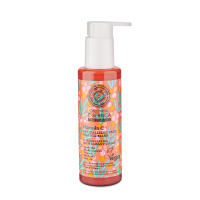
The Natura Siberica C+CICA collection combines vitamin C with cica (Centella Asiatica extract), an ingredient known for its soothing properties. Together, these ingredients help support radiance while also helping skin feel calmer and more comfortable.
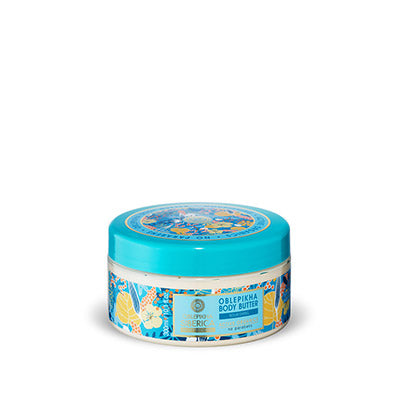
Meanwhile, the Oblepikha C-Berrica range combines vitamin C with additional skin-supporting vitamins including vitamin A, E, and B5 for a more comprehensive approach to hydration and revitalisation.
Topical vitamin C works on the outer layers of the skin, where it can help support antioxidant protection and skin brightness. Because vitamin C can be unstable when exposed to light and air, many formulations are carefully designed to help preserve its effectiveness.
Consistent use is usually more important than using very high percentages.
If you’ve searched “what is vitamin A?” or “vitamin A for skin”, you’ve probably come across retinol.
Vitamin A skincare ingredients are widely associated with skin renewal and smoother-looking texture.
Vitamin A derivatives help support the skin’s natural turnover process. Skin cells naturally renew themselves, but this process can slow over time due to age and environmental stress.
Vitamin A ingredients are commonly used to help improve the appearance of:
Traditional retinol is a vitamin A derivative, but some skincare products also use bakuchiol, a plant-derived ingredient often discussed as a gentler alternative.
The Natura Siberica Lab by NS Biome Retinol products combines advanced skincare ingredients with microbiome-focused formulations. While bakuchiol itself is not technically vitamin A, it is often in place of this ingredient as a gentler alternative. This is because Bakuchiol is a more stable alternative that can deliver similar results to using retinol (vitamin A), supporting enhanced cell turnover for smoother, more refined-looking skin.
Vitamin A products are often best introduced gradually, especially for beginners, as overuse may lead to dryness or sensitivity.
Another common question is: “What does vitamin E do for skin?”
Vitamin E in skincare is primarily valued for its nourishing and protective qualities.
Vitamin E is a fat-soluble antioxidant that helps support the skin barrier and reduce moisture loss. It is frequently paired with vitamin C because the two antioxidants can complement one another.
Vitamin E may help skin feel:
Because it supports the skin barrier, vitamin E is especially common in products designed for dry or dehydrated skin.
The Oblepikha C-Berrica range includes vitamin E alongside vitamin C, helping combine antioxidant support with nourishment. Certain products within the Polar White Birch collection also feature vitamin E to support skin comfort and hydration.
Niacinamide has become one of the most talked-about skincare ingredients in recent years - and for good reason.
If you’ve wondered “what is niacinamide?” or “what is niacinamide good for?”, think of it as a versatile ingredient suitable for many skin types.
Also known as vitamin B3 for skin, niacinamide supports several key skin functions at once.
Niacinamide skincare products may help:
Unlike some stronger active ingredients, niacinamide is generally considered beginner-friendly and is often well tolerated.
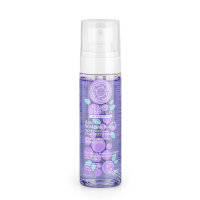
The Natura Siberica Blueberry Siberica range incorporates niacinamide vitamin technology alongside antioxidant-rich berry extracts, helping support a fresher, more energised complexion.
The Polar White Birch range also features niacinamide in selected products, combining hydration-focused skincare with oil balancing and skin-barrier support.
Yes - many skincare formulations are specifically designed to combine vitamins together.
For example:
Layering too many active ingredients at once, however, can sometimes overwhelm the skin, especially for beginners.
A simple routine is often the most effective:
Different skin concerns often benefit from different ingredients:
|
Skin Concern |
Helpful Vitamins |
|
Dullness |
Vitamin C |
|
Dryness |
Vitamin E, B5 |
|
Uneven texture |
Vitamin A |
|
Excess oil |
Niacinamide |
|
Skin barrier support |
Niacinamide, Vitamin E |
|
Tired-looking skin |
Vitamin C |
The key is consistency. Skincare vitamins typically deliver the best visible results when used regularly over time rather than expecting an overnight transformation.
From vitamin C skincare to niacinamide serums and vitamin A treatments, vitamins remain some of the most effective and versatile ingredients in modern skincare.
Understanding what each vitamin does can help simplify your routine and make ingredient labels feel far less intimidating. Whether you’re searching for a brightening vitamin C serum, exploring niacinamide for the first time, or looking to support smoother-looking skin with vitamin A skincare, choosing products suited to your skin’s needs is always the best place to start.
The Natura Siberica skincare collections combine vitamin-rich formulations with botanical ingredients inspired by Siberian plants and berries, helping create routines that feel both effective and approachable for everyday skincare users.